just a quick note i will be teaching a basic raw food prep class this saturday (11/27/2010) at 11 am if there are any additional students wishing to take this class please let me know and i will let you know if there is still room in this class sorry for the late notice: we had a shift in our calendar at the last moment.
fall behind and spring ahead the motto of the time change for daylight savings... did you remember? more like fall behind! (and the corresponding- sleep too late!!) i spoke with someone in arizona and she said they do not observe daylight savings time huh.
i have been very very neglectful of my blog but so much has been happening (many many losses of late) that i have been in a sort of shell shocked state.
then i caught some bug and have been feeling absolutely rotten. good thing for my 4 thieves oil to clean and netti pot with salt for rinsing my poor nasal areas. thankfully i feel like i am beginning to be on the upswing again because things(ie the mess) around me are beginning to bother me and that antsy feeling is starting to take hold to DO something!
well off to continue de-germing the house- and make a list of what i want to accomplish in the next week and the rest of this year (i love crossing off the "done" items)
still trying to get it together but it's closer now :) i hope ;)
here is an article of great interest. i always love learning how a meek little plant or being can have such a great big good effect in balancing out mankind's greed and stupidity. rock on creation! xo snowdrop
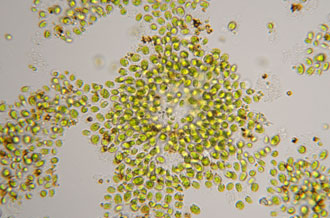
This Single Cell Plant Actually Expels Mercury from Your Body… Posted By Dr. Mercola | July 03 2010 chlorella
A study shows that chlorella, a single-celled organism that has been used for many years as a nutritional supplement, can help flush methylmercury from your system.
Mice fed methylmercury were given chlorella, and the amount of methylmercury excreted in their urine and feces was approximately twice the amount excreted by mice not treated with chlorella.
Methylmercury is a neurotoxic compound widely used in industrial applications. It accumulates in fish, which has led to widespread advisories against fish consumption by pregnant women.
The study in the Journal of Toxicological Sciences reports:
"These results suggest that the intake of [chlorella] may induce the excretion of Hg [mercury] both in feces and urine ... The effect of [chlorella] on the tissue mercury accumulation may become evident in a long-term experiment."
Sources: Journal of Toxicological Sciences 2010; 35(1): 101-105
Dr. Mercola's Comments:
Chlorella, a single-celled fresh water algae, is often referred to as a near-perfect food, as its range of health benefits are truly astounding.
Chlorella acts as an efficient detoxification agent by binding to toxins, such as mercury, in your body and carrying them out of your system. It is the chlorophyll in chlorella that makes it so powerful, as chlorophyll helps you process more oxygen, cleanses your blood and promotes the growth and repair of your tissues.
Arguably, the most important property of chlorella is its ability to help rid your body of heavy metal toxins -- an increasingly ubiquitous source of pollution in the environment -- but I even recently included it as one of the top seven foods to slow aging.
Are Heavy Metals Contaminating Your Body?
If you've received a vaccine, had or have silver (mercury) fillings in your mouth, or eaten fish, it's highly likely you have some level of mercury poisoning that may be compromising your health.
Heavy metal toxicity, just like chemical toxicity, has become one of the most pressing health hazards of our day. Your body is assailed by chemicals and heavy metals on a daily basis, oftentimes from the most innocent-looking sources, from your everyday cookware to your dental fillings and tilapia dinner filet.
One of the major routes of exposure to heavy metals in the United States, aside from vaccines and dental fillings, is eating fish.
For the most part mercury in the fish and the environment is related to the fact that the majority of electricity is generated from burning coal, which releases the mercury into the air and then into the waterways once it rains. There certainly are other industrial sources in some areas but this is the primary source.
Mercury is released from the smokestacks of coal-fired power plants, cement kilns and certain types of mining activities. Once in the air, the toxic mercury rains down into bodies of water. From there it is converted by bacteria into a particularly dangerous form called methylmercury, where it finds its way into fish, accumulating especially in fish that are higher up the food chain.
The larger the fish, the likelier they are to have high levels of this toxin. The National Resources Defense Council points out, for instance, that predatory fish such as large tuna, swordfish, shark and mackerel can have mercury concentrations in their bodies that are 10,000 times higher than those of their surrounding environment!
It's because of this bioaccumulation that about 40 percent of all U.S. exposure to mercury comes from eating contaminated tuna. And roughly 75 percent of all human exposure to mercury in general comes from eating fish.
Dental amalgam fillings are also made from about 50 percent mercury and the rest an amalgam of silver, tin, copper, zinc and other metals. It's an ironic fact that the metallic mercury used by dentists to manufacture dental amalgam is shipped as a hazardous material to the dental office. Any amalgam leftover is also treated as hazardous and requires special precautions to dispose of.
Yet you can have those same toxic fillings put into your mouth just by asking (and paying the price, of course)!
Chronic Symptoms of Metal Toxicity
These metals build up in your body over time, leading to chronic symptoms that you may never equate with your love for sushi or the dental filling you got five years ago.
Symptoms of toxic build-up due to chronic metal exposure include:
* Fatigue * Digestive distress, and reduced ability to properly assimilate and utilize fats * Aching joints * Depression * Impaired blood sugar regulation * Female reproductive problems such as menstrual difficulties, infertility, miscarriage, pre-eclampsia, pregnancy-induced hypertension and premature birth
Mercury is also a potent toxin in its own right that can damage your brain, central nervous system and kidneys, and is especially dangerous for children, fetuses, pregnant and nursing women and people who have high levels of mercury bioburden.
It makes sense for virtually everyone to takes steps to proactively remove metals from their body before they are plagued by symptoms, and if you have any of the symptoms above ridding your body of metals may help them resolve.
Chlorella Helps Rid Your Body of Mercury, Metals
Getting back to chlorella, this algae is one of the most potent ways to help detoxify your body of mercury and other metals. As this latest study showed, chlorella effectively induced the excretion of mercury in both urine and feces in mice fed the metal.
This is important, as chlorella plays a particularly crucial role in systemic mercury elimination because the majority of mercury is rid through your stool. Once the mercury burden is lowered from your intestines, mercury from other body tissues will more readily migrate into your intestines -- where chlorella will work to remove it.
One can also use cilantro as a synergetic detoxification aid with the chlorella. , toxic Chlorella's cleansing action on your bowel and other elimination channels, as well as its protection of your liver, also helps promote clean blood. And clean blood helps assure metabolic waste get efficiently carried away from your tissues.
Again, chlorella is such a powerful detoxifier because it is rich in chlorophyll, which is known to:
* Aid you in processing more oxygen * Cleanse key elimination systems like your bowel, liver, and blood * Help purify your blood and clean away toxins * Aid you in promoting optimal blood pressure * Support elimination of molds in your body * Help neutralize bad air you might breathe in * Promote growth and repair of your tissues
Chlorella is actually useful even beyond detoxification, and its range of health benefits includes:
* Boosting your immune system * Improving your digestion, especially if constipation is a problem * Enhancing your ability to focus and concentrate * Increasing your energy levels * Balancing your body's pH * Normalizing your blood sugar and blood pressure * Reducing your cancer risk * Freshening your breath
As with any supplement, different brands of chlorella will vary widely with regard to overall quality, potency and purity, so make sure you purchase from a reputable source.
Don’t drink cola if you want to be healthy. Consuming soft drinks is bad for so many reasons that science cannot even state all the consequences. But one thing we know for sure is that drinking Coke, as a representative of soft drinks, wreaks havoc on the human organism. What happens? Writer Wade Meredith has shown the quick progression of Coke’s assault.
The main problem is sugar. It’s an evil that the processed food industry and sugar growers don’t want people to know about. Even dietitians, financially supported by sugar growers and sugary product manufacturers, are loathe to tell us the truth.
Don’t believe that dietitians are influenced by huge corporate concerns that feed people sugar, drugs and other health-defying ingredients? Go to their official website and check out the sponsors yourself. They are right there in plain sight: CLICK HERE.
When somebody drinks a Coke watch what happens…
* In The First 10 minutes: 10 teaspoons of sugar hit your system. (100% of your recommended daily intake.) You don’t immediately vomit from the overwhelming sweetness because phosphoric acid cuts the flavor allowing you to keep it down. * 20 minutes: Your blood sugar spikes, causing an insulin burst. Your liver responds to this by turning any sugar it can get its hands on into fat. (There’s plenty of that at this particular moment) * 40 minutes: Caffeine absorption is complete. Your pupils dilate, your blood pressure rises, as a response your livers dumps more sugar into your bloodstream. The adenosine receptors in your brain are now blocked preventing drowsiness. * 45 minutes: Your body ups your dopamine production stimulating the pleasure centers of your brain. This is physically the same way heroin works, by the way. * >60 minutes: The phosphoric acid binds calcium, magnesium and zinc in your lower intestine, providing a further boost in metabolism. This is compounded by high doses of sugar and artificial sweeteners also increasing the urinary excretion of calcium. * >60 Minutes: The caffeine’s diuretic properties come into play. (It makes you have to pee.) It is now assured that you’ll evacuate the bonded calcium, magnesium and zinc that was headed to your bones as well as sodium, electrolyte and water. * >60 minutes: As the rave inside of you dies down you’ll start to have a sugar crash. You may become irritable and/or sluggish. You’ve also now, literally, pissed away all the water that was in the Coke. But not before infusing it with valuable nutrients your body could have used for things like even having the ability to hydrate your system or build strong bones and teeth.
So there you have it, an avalanche of destruction in a single can. Imagine drinking this day after day, week after week. Stick to water, real juice from fresh squeezed fruit, and tea without sweetener.
"the woods and fields are a table always spread" ila hatter (lady of the forest)
it's nice to have a garden but many times we pull 'weeds' that actually have more nutrition than the things we planted in our gardens in the first place. ie. iceberg lettuce vs lambs quarters
in 1 oz raw lambs quarters @ 12 calories: Calcium 86.5 mg Vitamin A 3248 IU Vitamin C 22.4 mg Protein 1.2 g Omega-3 fatty acids 10.1 mg Omega-6 fatty acids 87.6 mg and much much more...
try getting that out of a pale iceberg oz! :)
here is a quick video i enjoyed this morning and wanted to pass it on-
So, you have a warm day ahead of you and you are ready to fill your larder with wild foods! What are some of the tools that you need to take with you?
Here is a list of the basics, as you gain experience there are things you will want to add to it.
1. A good, sharp pocket knife. This is good for cutting stems, pieces of roots etc. 2. Moisture-proof bags. You can use zipper closure bags, recycle plastic grocery bags, or sew your own drawstring bags with waterproof fabric. You need to be able to keep things separate. 3. A small shovel or trowel for digging up edible roots. 4. A pictorial Guide to edible plants in your area. Sometimes it is hard to tell what something is from just the description. A good pictorial guide is invaluable! 5. A moist washcloth in a waterproof bag for cleaning your hands.
Gathering Food
Be sure that you get permission to forage on private property and be careful about foraging in state parks and preserves. Always make sure that you are acting with in the laws. Don't overlook your own front yard, though. One year we had dandelion greens several times a week harvested from our own front yard! If you have a few acres it is even more likely that you will be able to find natural foods at home. Like anything, the ability to find edible wild plants successfully has alot to do with preparation and practice.
A good rule of thumb is to take only what you need. Remember, the plants will die out if over harvested. Don't let the materialism mentality create greed. It is important that you learn to be a good steward of the bounty of nature. Taking too much of a plant will kill it, taking too many plants form a patch will mean less plants next year and eventually no plants at all. By foraging carefully you will both preserve nature and learn to live in harmony with the cycles of it.
Decide what you are o.k. with. For example, are you going to stick to plants and nuts or are you going to do some hunting as well? Are you willing to try crayfish, frog legs, or wild duck eggs? What about turtles? By adding hunting and fishing to your list, and keeping an open mind, you will increase your ability to glean wild eats.
Amazon The Forager's Harvest: A Guide to Identifying, Harvesting, and Preparing Edible Wild Plants The Forager's Harvest: A Guide to Identifying, Harvesting, and Preparing Edible Wild Plants Price: $13.95 List Price: $22.95 A Field Guide to Edible Wild Plants: Eastern and central North America (Peterson Field Guide) A Field Guide to Edible Wild Plants: Eastern and central North America (Peterson Field Guide) Price: $11.22 List Price: $19.00 The Complete Guide to Edible Wild Plants The Complete Guide to Edible Wild Plants Price: $7.77 List Price: $12.95 Edible Wild Plants: A North American Field Guide Edible Wild Plants: A North American Field Guide Price: $25.10 List Price: $17.95 Nature's Garden: A Guide to Identifying, Harvesting, and Preparing Edible Wild Plants Nature's Garden: A Guide to Identifying, Harvesting, and Preparing Edible Wild Plants Price: $15.65 List Price: $24.95 Edible Wild Plants: Wild Foods From Dirt To Plate (The Wild Food Adventure) Edible Wild Plants: Wild Foods From Dirt To Plate (The Wild Food Adventure) Price: $16.27 List Price: $24.99 Some Wild Recipes
Following are some ways to prepare the free groceries you find. Again, if you are ever in doubt about the safety of a plant best to leave it alone!
Acorns:
Acorns are nearly everywhere and are amazingly versatile little nuts if prepared properly. The bitter taste is from the tannin so it is important to be sure to get all of that out before making your recipe. This is called leaching.
1. Crack the acorn using a hammer and shell.
2. Place in a blender with about a quart or so of water and pulse for a few seconds to make the skins come off and float. Skim the skins off and repeat until no more skins come off. 3. Grind the acorns in the water until it turns white 4. Pour the milky liquid through a sieve into a bowl. The material in the sieve should be ground again and then the process repeated.
5. Pour liquid in the bowl through a cheesecloth into another bowl. This material needs to be leached again. Add it to another container of water, shake up and then let set for 10 -20 minutes. Strain again through cheesecloth let sit overnight covered with water. All the milky liquid that passes through the sieve and cheesecloth should be allowed to settle overnight. 6. Pour the water off and cook equal parts of meal and water, about 1/4c each, to check for tannin. Tannin wil lbe easily recognizable by a bitter taste or the mouth feeling dry.
7. IF tannin is detected repeat the leaching process. If not then continue with the recipe.
Acorn Pancakes
2/3 c finely ground acorn meal
2/3 c unbleached flour
1 1/2 tsp baking powder
1/4 tsp salt
1/4c Honey
1 egg (chicken, or duck, goose is too big) beaten
1 1/4 c milk
1/4 c melted butter
Combine dry ingredients. Mix egg, honey, butter, and milk and add to dry ingredients. Spoon onto hot griddle and turn when top begins to bubble.
Makes 10-12
Cattails:
Cattail roots can be dried, ground, and used as flour. The pollen can be used as an extender to flour and also adds a unique flavor.But the easiest way to eat them is as follows, based on a recipe from Prodigal Gardens.
Cattails-on-the-Cob with Garlic Butter
30-40 cattail flowerheads, peeled
Garlic butter:
½ cup unsalted butter
½ teaspoon salt
12 garlic cloves, crushed 1 c fresh basil or cilantro Make garlic butter in a food processor by whipping the butter, salt, fresh garlic and basil together until smooth.
1. Boil cattail flowerheads in water for 10 minutes
2. Make garlic butter in a food processor by whipping the butter, salt, fresh garlic and basil together until smooth.
3. Drain the cattail flowerheads and cover them generously with the garlic butter.
4. Eat them just like miniature corn on the cobs.
from Prodigal Gardens.
Milkweed:
The unopened buds of milkweed can be boiled and eaten like broccoli
Dandelion :
The roots can be sauteed with onion and garlic in some olive oil.
Leaves are delicious sauteed with onion, garlic, mushrooms, and bacon.
Sunflower Buds:
Can be steamed and eaten like an artichoke
This is by no means a complete list. Be sure and get a couple of books on the subject and start slowly. Gathering wild foods is a satisfying way to eat organic and save money doing it. There is something empowering about knowing that you can survive without a Kroger if you need to.
In his book "Stalking the Wild Asparagus," Euell Gibbons noted how the first sign of spring would be not the robins on the lawn, but the Italians who would swarm out from town to gather winter cress from fields and ditches. Here are a few lines from the book, originally published in 1962:
"The suburban dweller seldom bothers to identify the plant which the immigrants are so eagerly collecting. Such knowledge is strictly for squares. He is satisfied to refer to it merely as "some weed the Italians eat." We have come to a poor pass when we think that allowing ourselves to be bilked because of our own ignorance contributes to our status. And still we think we have a mission to teach the rest of the world "the American way." Heaven forbid this kind of thinking. We do have some things to teach, but we also have many things to learn from other cultures. Unless we realize that cultural exchange is a two-way street, we shall fail, and much of the ancient and precious wisdom now residing in the simple peoples of the world will be lost."
Ponder that thought for a while.
hope you enjoyed a little bit on foraging and don't be afraid to eat your weeds (just be sure you know what they are first!) xoxo snowdrop
i took my second batch of herbs (spearmint, chamomile, oregano, dill) and dried them, broke them up without stems and put them into labeled blue antique glass jars. my sweetie made me a wrap around shelf very high in the kitchen and that's where these will find a home.
then i cut down a third cutting of herbs (oregano, thyme, cilantro, chamomile, marjoram, dill, oregano) processed some in cuttings for freezing and the rest went into the dehydrator till tomorrow when i will put them into jars too. this way i have very fresh, oils intact, herbs for teas, recipes etc... for all winter. during the summer i usually stick to fresh herbs.
i also planted a few containers to keep on the deck for fresh herbs to use on a daily basis so i do not have to trek into the garden for every recipe and every meal as it is prepared.
the garden holds the vast quantities for cutting & processing.
i still have to plant all my sunflower seeds i have held back because the hoe is hard to work with my dh used it in concrete making and didn't rinse it it weighs a TON and is ungainly to wield.
seeing the error of his ways he bought me a new one. :)
planning a day trip to vermont because we have been just straight out with very very emotionally heavy events have sapped us of our vital energy. time to rejuvenate. hope to have some pics for the next blogging. till then xoxoxo snowdrop
cleanse anyone?
-
blast from the past-
cleanse anyone?
i never can find my master cleanse directions when i need them...
so i decided to post it here on my blog so i can f...
I am a certified Alissa Cohen Living on Live Foods Chef, Instructor and Teacher in upstate NY. I first discovered Raw Food for its health and weight balancing benefits. My special talent is for recreating dishes that have dazzled me at fine eateries, replicating familiar cooked dishes that will win over taste buds and encourage anyone that eating raw can be really delicious and exciting! If you enjoyed the tasty recipes that will be posted here on this blog, be sure to check out my upcoming book “Raw Delights”, which is due to go to publishing soon. It's release will be announced on the website: www.AdirondackRawFoodConnection.com.